Building political power neighbor by neighbor
Reflections from our February trip to Chicago to learn about the project of Independent Political Organizations (IPOs) and their work with movement-elected officials.
By: Callie DiSabato, Addy Lord, Anna Swick, Sean Palmer, and Erik Oas
Late in the evening on March 17th, the group chat buzzed: “Miguel is up! 54-46, 30 of 48 precincts reporting!”
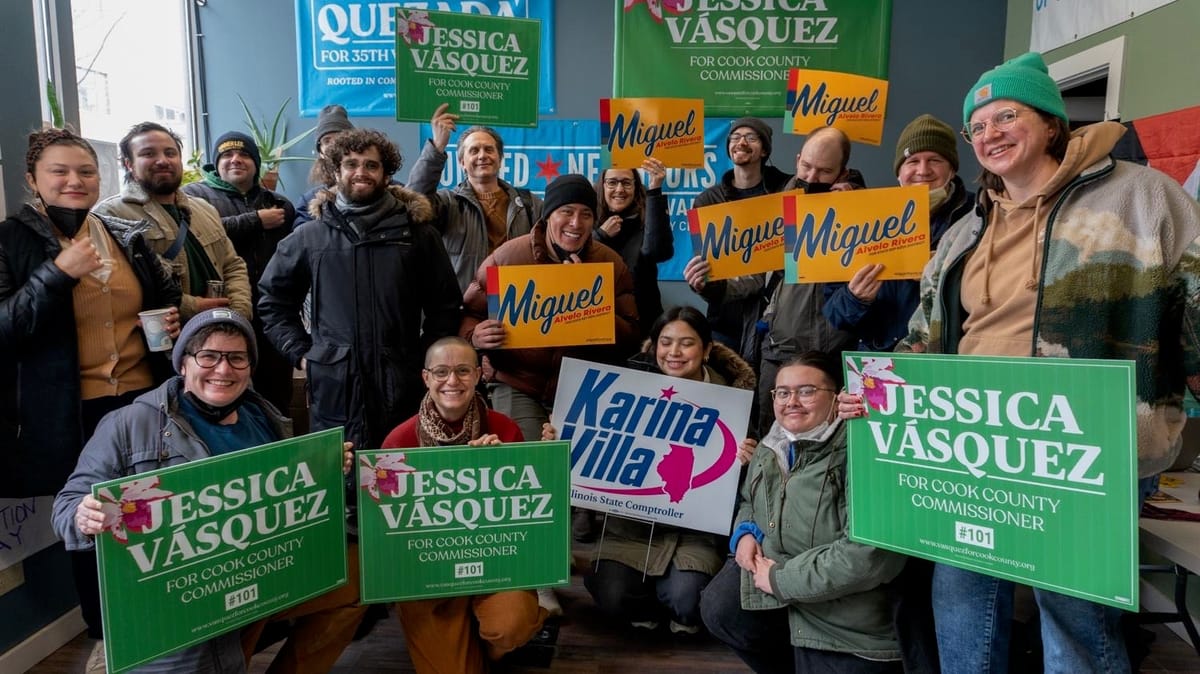
An hour after polls closed in Illinois, our Pittsburgh crew was keeping up with primary election results for the progressive candidates we had canvassed for in Chicago just two weekends before. Miguel Alvelo Rivera had been running a tough race against the sitting State Representative, Jaime Andrade, an incumbent who out-fundraised Avelo Rivera by 6:1 with gobs of money from AI and gambling interest groups. Alvelo Rivera, on the other hand, had a campaign built on a decade of work by the two progressive neighborhood organizations we connected with, 33rd Ward Working Families (33WF), and United Neighbors of the 35th Ward (UN35).
These groups, called Independent Political Organizations (IPOs), are part of a legacy in Chicago that dates back to the 1980s and the Harold Washington mayoral administration. The neighbors who make up these organizations are volunteers who have spent significant time building the infrastructure it takes to fight back against corporate Democrats and win campaigns that support and advocate for the struggles of working people: relationships, trust, and using the power of the collective. The five of us keeping tabs on Miguel’s race all had the fortune of taking part in this political exercise while also strengthening the friendships and collaboration between Pittsburgh and Chicago organizers.
This connection and field trip were made possible by Kirsten Rokke and Eleanor Anderson, who are involved in the East Liberty/Highland Park Neighborhood Assembly and were also founding advisory board members of UN35, prior to moving to Pittsburgh in 2020. They wanted us to experience this approach first hand and also see how the work in the community extends across and beyond electoral cycles in collaboration between the organizations and the elected officials’ offices – from ICE rapid response to city budget town halls and participatory budgeting.
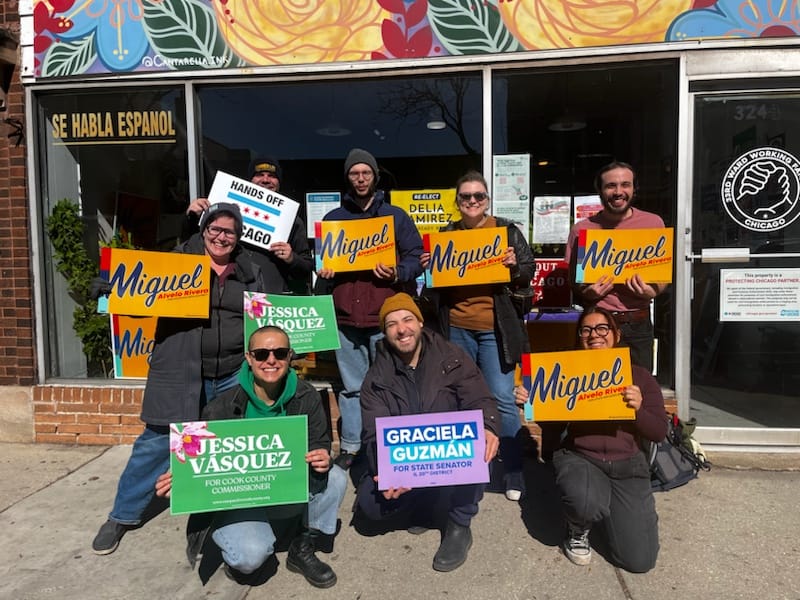
One of the participants in the field trip was Anna Swick. It was Anna’s first experience canvassing! I was pretty intimidated by the idea of canvassing. In my head it was going to be an intense debate with strangers at every door. Anna found the reality to be far a more connective experience. She was paired with an active member of UN35, Harry, who had canvassed many times in the neighborhood. During their route, they discussed why they were each involved in their respective groups; the reasons were strikingly similar. During the route they only encountered two people who were home, or at least opened their door. One of the neighbors was familiar with UN35, but had not attended any events. It was exciting to hear from someone who was aware of the presence of UN35 in the neighborhood. It demonstrated the impact of the IPOs work on the greater community outside of just its members.
Sean—another member of the Pittsburgh crew and also a first-time canvasser—was really struck by people's reaction to them as canvassers and about how the whole experience felt. I was expecting most people to be indifferent or hostile, but once they heard that we were with UN35, most of them had a positive reaction. They were familiar with UN35 and wanted to see the list of endorsements for the upcoming primaries. There were of course some people who didn’t want to hear about politics on their day off or were grouchy, but the overall response was warm. I was expecting most people to be disillusioned and cynical about politics, but the community there had a very positive connection to UN35, which seemed to make them more engaged and hopeful.
This reception helped Sean to feel part of the cumulative large effort of the hundreds, maybe thousands, of canvassing shifts that had already happened. Sean had pictured canvassing as a lonely or isolated experience, but had the opposite experience. I think this is one of the things that makes grassroots movements so powerful. We are people first, and it is important not to lose sight of that. Elections and campaigns will come and go, but our relationships to each other and the community can last our whole lives.
Of the Pittsburgh group visiting Chicago, Erik has the most experience with electoral campaigns. He has worked as a campaign manager and field director in multiple races and has knocked upwards of 20,000 doors over the past seven years.
He was most struck by the relationships between the organizer-elected officials and the other members of UN35 and 33WF. I am really used to even progressive or down-to-earth elected officials and candidates being treated differently from other people, whether it is intentional or not. People tend to defer to them or privilege their perspectives, but in these offices, I kept being surprised to learn that someone was an elected official, like “oh, you are Jessica Vasquez who I just canvassed to re-elect," just because everyone was working together and talking in such an even, collaborative way.
Addy had two takeaways: the simple ways leadership development can be infused into electoral work and discovering what the realistic bar for canvassing was. They were struck by how leaders, members and volunteers clearly cared about the experience of everyone participating. When we met in the campaign office, because there were enough of us with little canvassing, or who would prefer canvassing with partners, canvass-lead paired us up. They did a fantastic job of balancing the stakes of an important election with the fact that these would be interactions with neighbors–what’s most important is that we connect. Past experiences canvassing always left me feeling like I was doing something wrong, not many people answer their doors and any conversations I did have felt awkward as I tried to follow the campaign script. And in Chicago, they knocked over 50 doors and only one voter answered from an upstairs window. So, the only major difference from past experiences was that they had a partner with them to help affirm this “terrible” experience as completely normal. It totally reframed the way I measure success while canvassing.
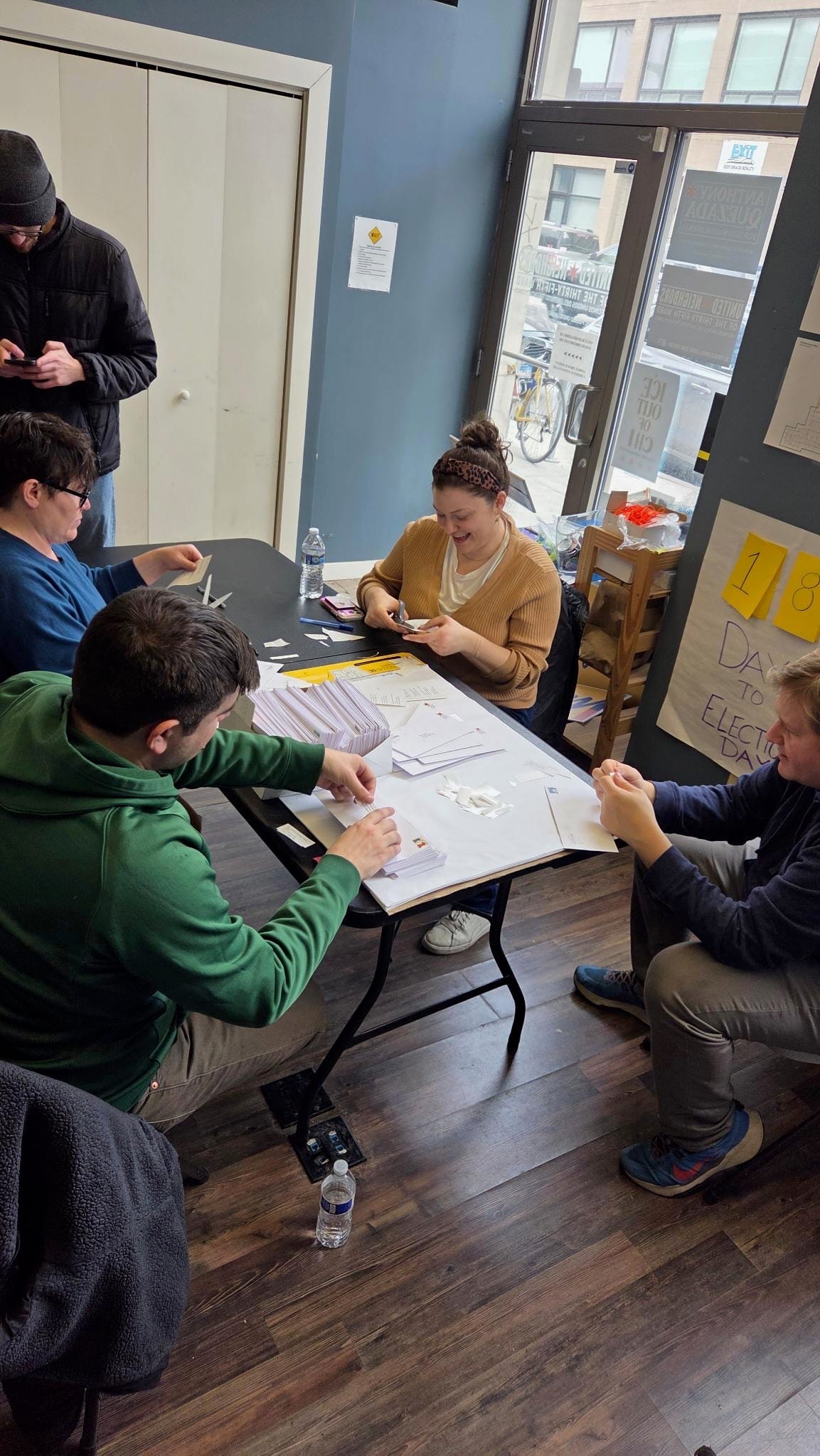
Callie left Chicago with a full-bodied realization that these groups are engaging in electoral and representative politics differently. The electeds who are pursuing and securing public office are not simply politicians: they are also organizers who have emerged from and remain within their neighborhood movement. These elected officials aren’t operating in isolation, but are instead holding a position for the benefit of their neighborhood. In order to do so responsibly, they ask for and receive accountability, support and collaboration from the leadership and members of their neighborhood IPOs. The connectedness and information sharing and collective decision making within their neighbor-led IPOs is what makes their work so powerful.
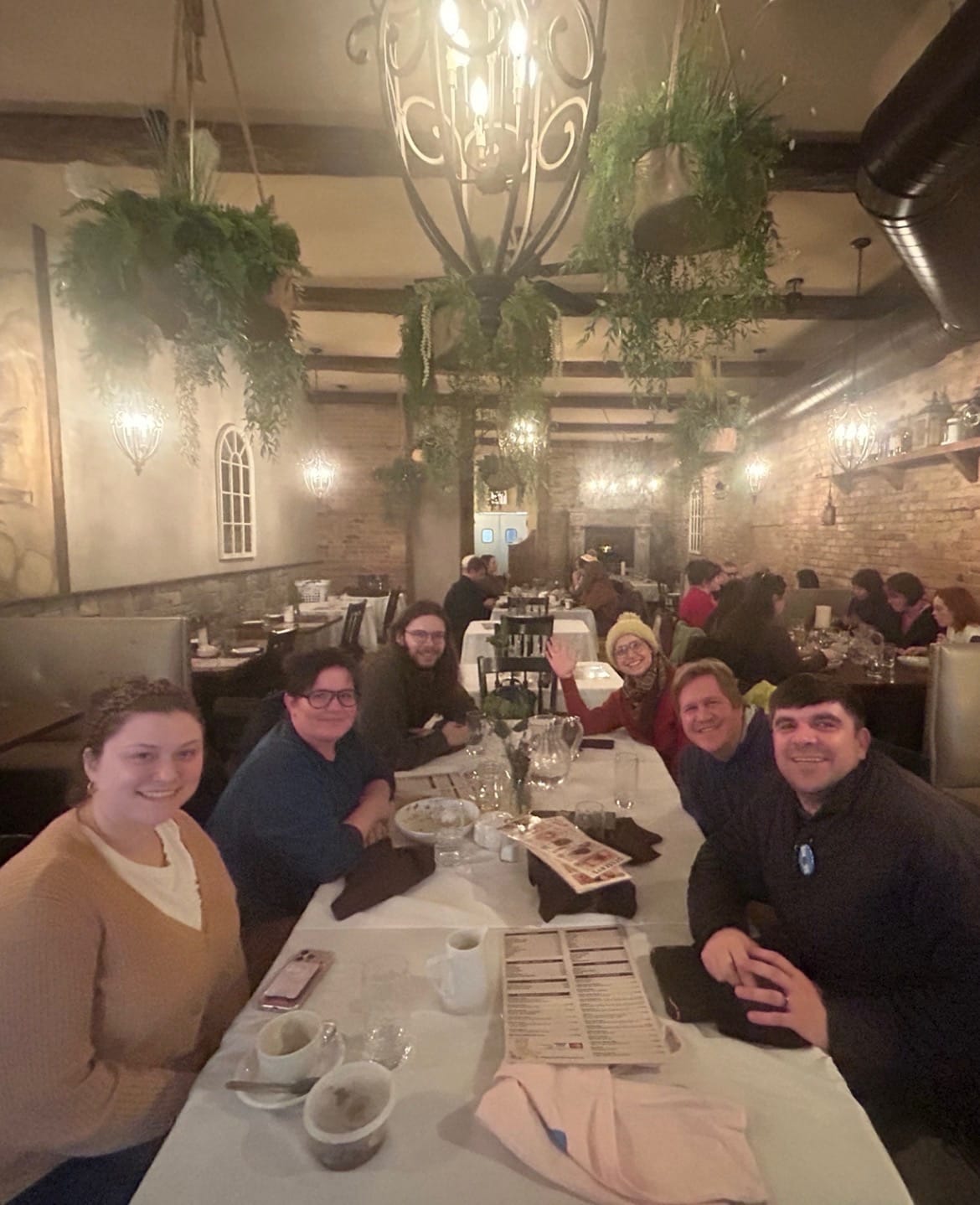
As with many things that shake the brain loose from its established paths of thinking, this new way of approaching political work settled in slowly. Callie was eating a plateful of tacos, sitting next to a woman in sweatpants who turned out to be Illinois State Senator Graciela Guzmán. At some point during the meal, another neighbor organizer turned to Graciela and invited her to share a little bit about her experiences. The story she shared rattled Callie’s brain, opening room for new ways of thinking about politics:
Graciela Guzmán is currently an Illinois State Senator, representing a diverse district with many undocumented workers. One of the first challenges she faced in office was how to proceed on a difficult vote within the state budget. At the threat of losing funding for essential services, the budget presented to Graciela was one that would also prevent undocumented workers from obtaining insurance. This budget move was a tactical wedge planted by their political opponents, whose goal was to fracture the IPOs and weaken the movement. Instead of doing politics as normal, Graciela’s first call was to her fellow organizers in UN35. Through discussions with movement members and UN35’s Executive Committee, a collective decision was made around voting yes as a short-term answer while also working together to get another movement member elected to the state house—moving them to an offensive strategy. They would go on to successfully win that additional house seat because of their continuous and strategic organizing.
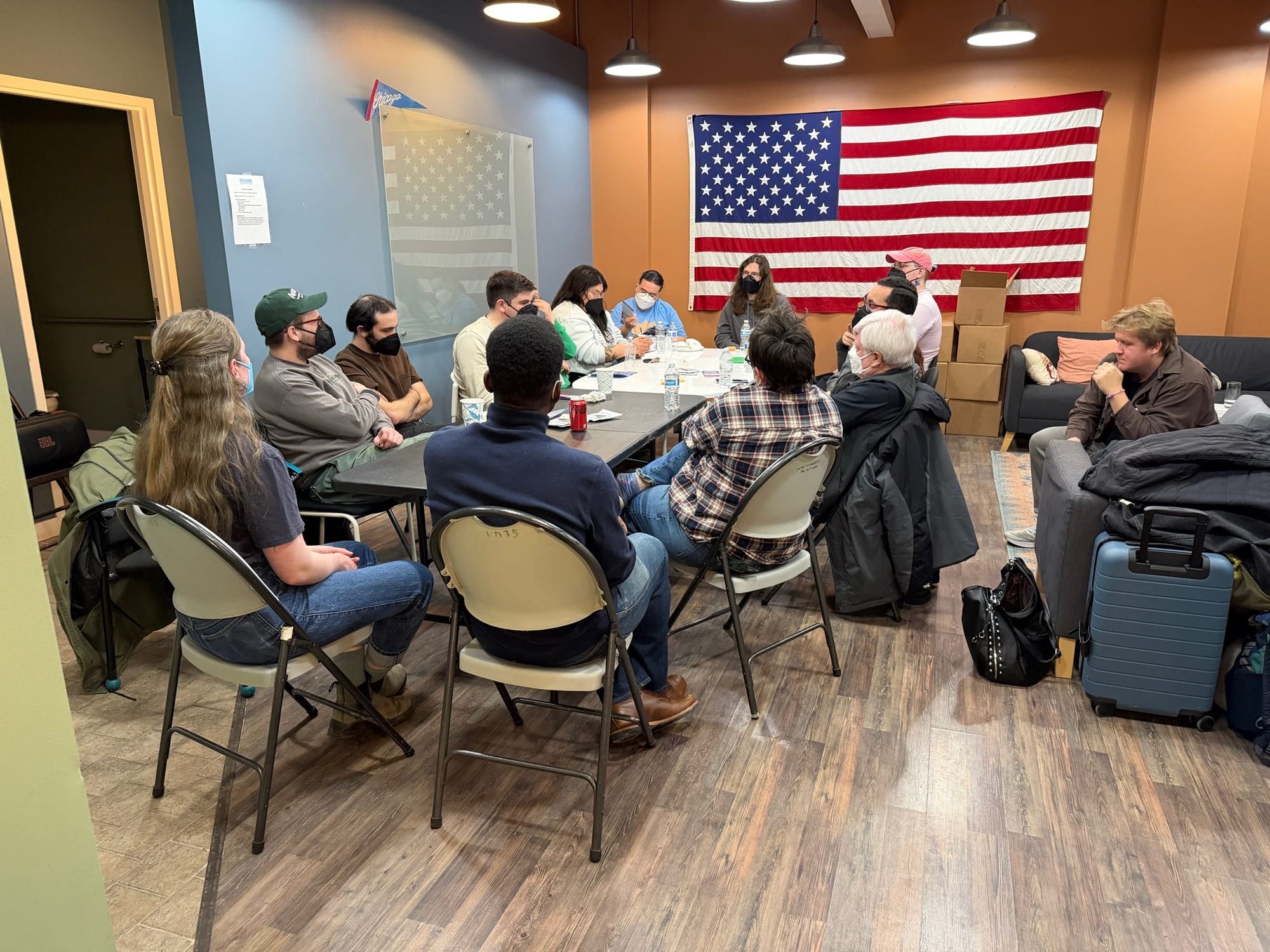
When the relationship between movement electeds and the organizing movement remains strong, political decision-making becomes more democratized. Electeds don’t simply bring their decisions to the group; rather, they bring context and access to institutional power, and the group decides together how to proceed. As this story of Graciela demonstrates, potentially hazardous political challenges intended to erode trust and fracture community can instead build trust, deeper relationships, and collective skills going forward.
This kind of organizing that the IPOs are doing requires a long-term perspective and strategy. They have been learning together and refining their approach over more than a decade of collective effort and they have built something really beautiful and inspiring along the way; we are grateful that they are so open to sharing their learning!
We returned to Pittsburgh excited about shaping something similar that fits the specific contours of the history and culture of our city. We are so excited to do that with you, as we continue to learn and grow together in the Neighborhood Assemblies, and maybe one day our new friends in Chicago will be cheering us on to victory in their text threads, too.